
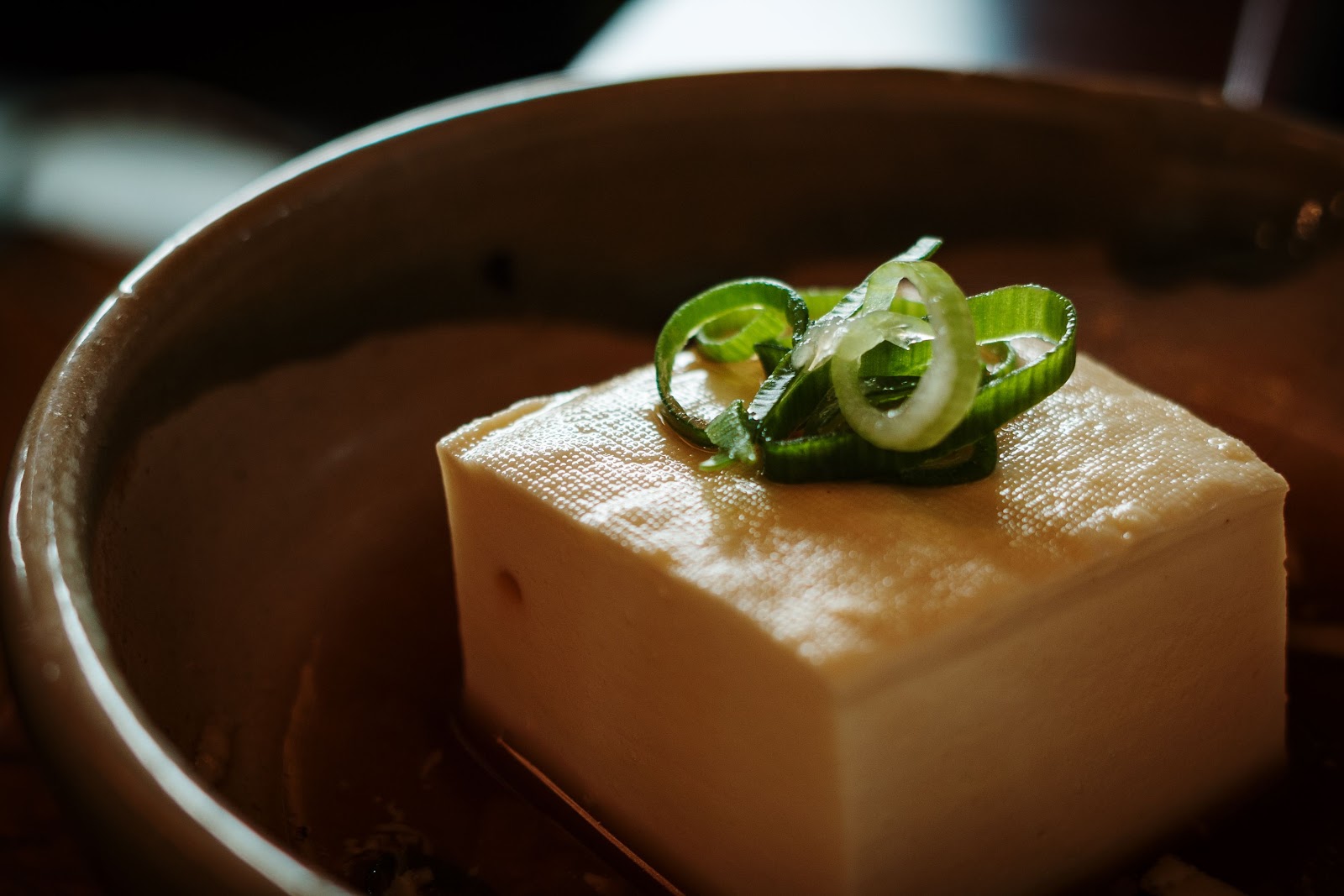
A new ranking from the University of Cambridge has put tofu at the top of a list of 20 popular protein foods. At the bottom sat cheddar cheese. The result has been widely shared since August, so we read the original paper to see what it actually shows, and what it does not.
Who did the study and what is it?
The ranking comes from Dr Chris Macdonald, a researcher at the University of Cambridge who founded the Better Protein Institute. It was published on 29 July 2026 in the journal Frontiers in Sustainable Food Systems, in a paper called "What are the best sources of protein? Introducing the BPI Score."
It is worth being clear about the type of paper. This is a perspective piece by a single author proposing a new scoring tool. It is not a clinical trial and it did not test what happens to people's health when they eat these foods. It is a way of comparing foods side by side, and the author describes it as a first version.
How the BPI Score works
The idea is that single-issue labels, such as a carbon label or a nutrition traffic light, can hide trade-offs. A food can look good on one measure and poor on another. The BPI Score combines two categories into a total out of 40.
The Planet score is worth up to 16 points. It covers greenhouse gas emissions, water pollution, land use and freshwater use, each measured per 100 grams of protein. The environmental figures come from a 2022 database by Clark and colleagues published in PNAS.
The People score is worth up to 24 points. It covers sodium, saturated fat, cholesterol, whether the protein is complete, how affordable the food is, and whether it is available in supermarkets. Prices came from Aldi UK.
What the results say
Tofu scored 36 out of 40. It took the top mark of 16 on Planet and 20 on People, the highest in both categories. Cheddar scored lowest, with 13. Every food in the top fifth of the list was plant-based, and every food in the bottom fifth was animal-based. Science Focus, which covered the paper, reports chia seeds and beans in second and third place.
The environmental gap is large. Per 100 grams of protein, the paper reports that tofu produces 0.61 kilograms of greenhouse gas emissions (CO2 equivalent), compared with 64.19 kilograms for beef. Tofu uses 2.16 square metres of land, compared with 211.38 square metres for beef. Lentils were the cheapest option in the study and quinoa the most expensive.
What the score leaves out
The author is open about the limits, and we think they matter.
- Animal welfare is not in the score. Nor are the opportunity cost of land, antimicrobial resistance or the risk of diseases passing from animals to people. The author says including them would likely widen the gap between plant and animal proteins, not narrow it.
- Prices and availability come from one UK supermarket, so results may differ in other countries.
- The five-step scale for each measure is coarse and does not capture extreme values well. The emissions gap between beef and tofu, for example, is more than a hundredfold, which a five-step scale cannot show.
- Counting "complete protein" as a simple yes or no is debatable, because a varied diet can supply all the essential amino acids.
The paper's publication costs were paid by Lucy Cavendish College, University of Cambridge, and the author declares no conflict of interest. He did found the institute that offers the tools discussed in the paper, so readers may want to treat it as one researcher's framework rather than a final verdict.
What this means for animals
At Humane Choices, the part of this story we care about most is the one the score does not measure. When a meal built around tofu or beans replaces a meal built around an animal product, fewer animals are raised and slaughtered for food. That is animal welfare in its simplest form, and it does not show up in the 40 points.
The author also notes that welfare is hard to weigh in a score like this. Giving farmed animals more space can improve some welfare measures while taking up more land that wildlife could use. A fuller second version of the score is in development, and we will be watching to see how it handles animal welfare.
Where this leaves us
Tofu is cheap, widely available, a complete protein, and easy to cook in many cuisines. The Cambridge ranking adds a useful comparison on climate, land and water. It does not prove tofu is the best food for every person, and it says nothing about individual health needs. If you are changing how you eat, a registered dietitian or your doctor can help you plan it.
If you want to try it, a simple start is to swap tofu into one meal you already cook, such as a stir fry, a curry or scrambled "eggs" with turmeric, and see how it goes.

Sources
- Macdonald C., Frontiers in Sustainable Food Systems (2026); https://doi.org/10.3389/fsufs.2026.1677796; the BPI Score method, the 20 foods ranked, tofu scoring 36 out of 40, cheddar scoring lowest, the per 100 grams of protein emissions and land figures, and the limits the author lists
- Science Focus (14 August 2026); https://www.sciencefocus.com/news/best-source-protein-tofu; the study coverage, including chia seeds and beans placing second and third
- vegconomist (20 August 2026); https://vegconomist.com/studies-numbers/cambridge-researcher-ranks-20-protein-sources-plant-based-foods-filling-entire-top-quintile/; every food in the top fifth being plant-based and every food in the bottom fifth being animal-based
- Clark M. et al., PNAS (2022), as cited in the Macdonald paper; https://doi.org/10.3389/fsufs.2026.1677796; the environmental impact database behind the Planet score
Picture credits and sources: pexels-leongsan-35132130.jpg; Photo by Leongsan on Pexels (Pexels License); https://www.pexels.com/photo/35132130/ pexels-ernie-marquez-2149110840-30450314.jpg; Photo by Ernie Marquez on Pexels (Pexels License); https://www.pexels.com/photo/30450314/