Cruelty-Free Beauty: An Essential Shift for Science, Animals and the Environment

Cruelty-free beauty is no longer a trend; it represents a broader cultural shift towards a more sustainable, ethical and scientifically accurate industry.
What "counts" as cruelty-free?

Many brands claim their products have not been tested on animals. Yet, most fail to include the official "Leaping Bunny" logo or similar seals that confirm external review boards have verified no new animal testing has been conducted to launch said product into the market.
This means a number of products "self-identify" as cruelty-free, which is no real guarantee of any ethical practices or procedures beyond a "he said, she said" scenario. This is why organizations like the Leaping Bunny exist; to vet and certify that said brands are officially free of animal testing.
So, what does the Leaping Bunny logo guarantee? As an internationally recognized symbol, it not only applies to a single product, but to an entire brand and their supply chain. Brands must submit supplier declarations for external audits and even commit to a set date after which no animal testing is allowed on any of their products.
However, said certification doesn't guarantee that a product is not animal-derived (e.g. collagen, beeswax, etc); it only guarantees that no animals were used in clinical trials during the product's development. Regardless (and fortunately), most cruelty-free products are also shifting towards vegan formulas, as this is a common market intersection.
Other organizations like PETA (United States) and CCF, recently merged with Cruelty Free International (Australia) also conduct their own personal reviews and seals, but only the Leaping Bunny seal is recognized as an international standard.
Why choose cruelty-free products?

Choosing cruelty-free products not only benefits animals who will no longer have to suffer due to outdated and inaccurate product development trials; it also helps reduce waste and create more sustainable (and ethical) sourcing, while heightening formulas' accuracy for consumers. Environment-wise, it minimizes the generation of facility biohazards, chemical run-offs, and ecological footprints required to maintain live laboratory populations.
Science-wise, it ensures superior accuracy at the biological level. While some of the animals commonly used for testing (e.g. rodents and rabbits) share significant biological traits with humans, they also present significant differences that hinder the accuracy and safety of a product's formula.
For instance, non-animal methods utilize human cell lines and 3D reconstructed tissue to predict human biological reactions without the errors caused by cross-species differences, while animal methods simply force-test toxic and damaging products on animals who not only cannot give consent, but who suffer painful consequences for the sake of inaccurate results.
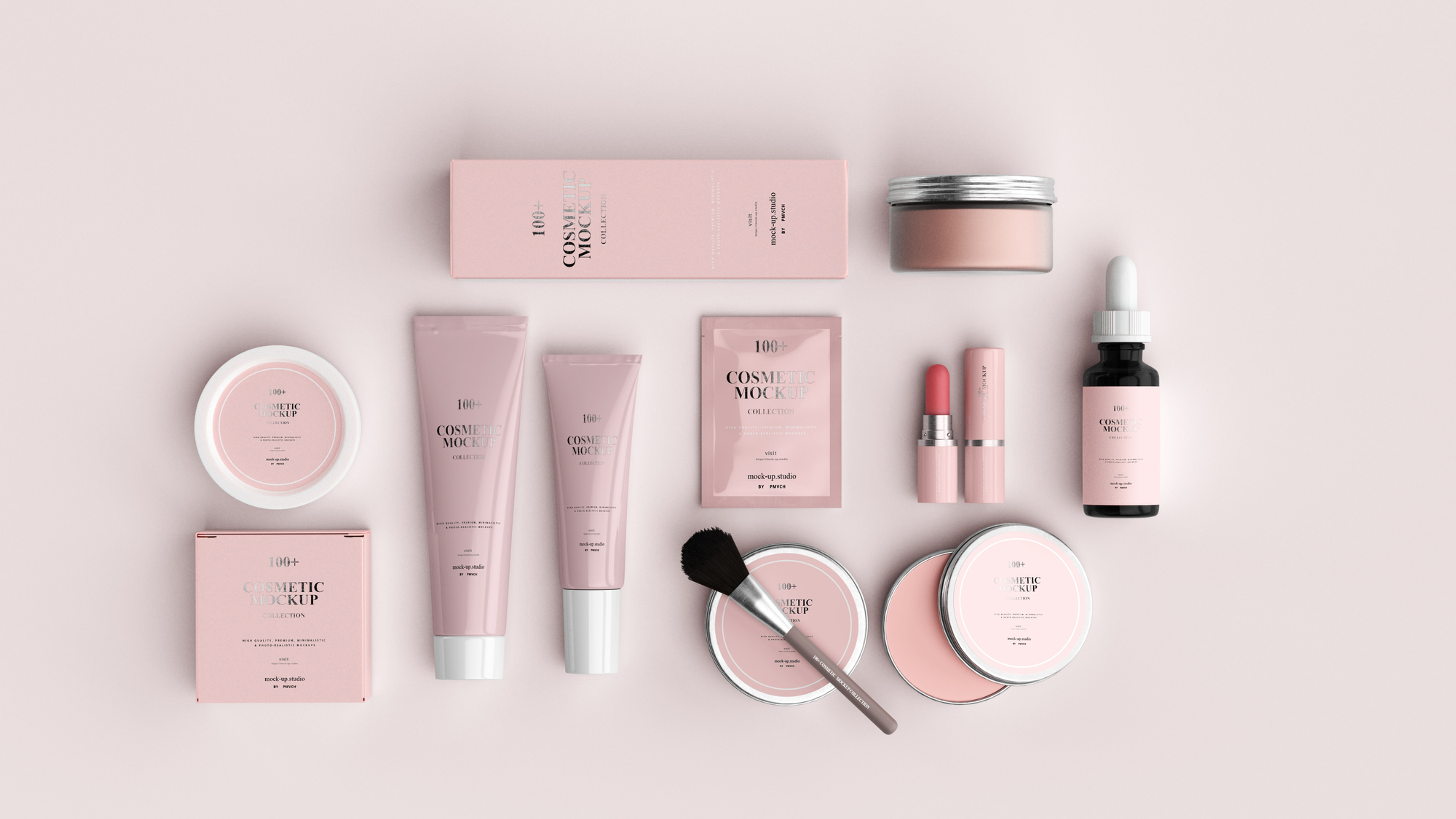
The cruelty-free switch is neither "harder" nor more expensive; it's a simple personal and ethical choice to consume products that are less harmful to the environment, are compassionate towards animals, and are designed with safer and more accurate formulas that guarantee a higher-quality experience.
To make this shift seamless, a number of brands and organizations like PETA and Cruelty Free International routinely put together and update lists of recommended cruelty-free brands, plus lists of products and brands that still test on animals to avoid.
If you are wondering about your favourite brand's practices, or looking for some new alternatives to try within the cruelty-free and/or vegan markets, you can always refer to the resources provided below, or look for the Leaping Bunny certification while browsing through the halls of your local beauty supplier.
Recommended Product Links
Works Cited
Coalition for Consumer Information on Cosmetics. (n.d.). Corporate standard of compassion for animals. Leaping Bunny. leapingbunny.org
Cruelty Free International. (n.d.). Leaping Bunny brands. crueltyfreeinternational.org
Cruelty-Free Kitty. (2026, August 15). List of officially cruelty-free brands (2026 update). crueltyfreekitty.com
Doke, S. K., & Dhawale, S. C. (2015). Alternatives to animal testing: A review. Saudi Pharmaceutical Journal, 23(3), 223–229. https://pubmed.ncbi.nlm.nih.gov/26106269/
Logical Harmony. (2024, November 14). Cruelty-free brand list. logicalharmony.net
National Institute of Environmental Health Sciences. (2026). Alternatives to animal testing. U.S. Department of Health and Human Services. https://www.niehs.nih.gov/health/topics/science/sya-iccvam
National Institute of Standards and Technology. (2022, May 19). NIST study gives animal testing alternatives a confidence boost. U.S. Department of Commerce. https://www.nist.gov/news-events/news/2022/05/nist-study-gives-animal-testing-alternatives-confidence-boost
People for the Ethical Treatment of Animals. (n.d.). Search for cruelty-free companies, products, and more. PETA’s Beauty Without Bunnies Program. https://crueltyfree.peta.org/?en_txn7=Navigation%3A%3AShop-Subnav
U.S. Food and Drug Administration. (2026, September 20). FDA updates regulations to advance innovative alternatives to animal testing. U.S. Department of Health and Human Services. https://www.fda.gov/news-events/press-announcements/fda-updates-regulations-advance-innovative-alternatives-animal-testing


Such an important read! It's so encouraging to see the beauty industry shifting toward ethical, scientifically accurate standards. Thanks for sharing this breakdown and highlighting trusted certifications!